
How Pig Cells Could be Used to Slow Parkinson’s Disease
In recent years, researchers have paved the way to fight against Parkinson’s disease using a unique approach—pig islet cells. This novel tactic involves transplanting pig choroid

In recent years, researchers have paved the way to fight against Parkinson’s disease using a unique approach—pig islet cells. This novel tactic involves transplanting pig choroid

Porcine tissues are contributing to research studies that focus on restorative therapies to replace lost or diseased human tissues. While the amount of suitable human
Skin permeation studies are extremely important in predicting percutaneous penetration, and porcine tissue have proven very important in such research. A recent study conducted at the
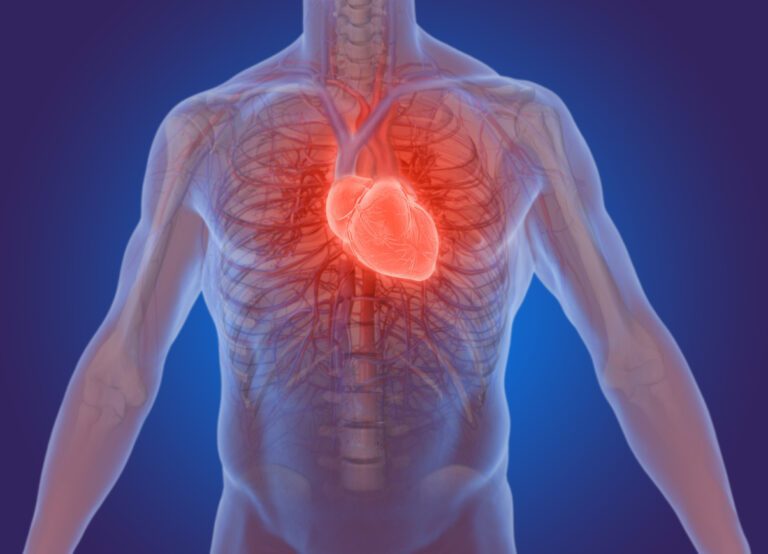
Porcine heart tissue may prove extremely helpful in finding a solution for cardiac failure. The process of using detergents to decellularize and then recellularize porcine

Americans spend more than $20 billion dollars a year on wound care, a figure that’s exacerbated by factors such as infections, repeated surgeries and extended
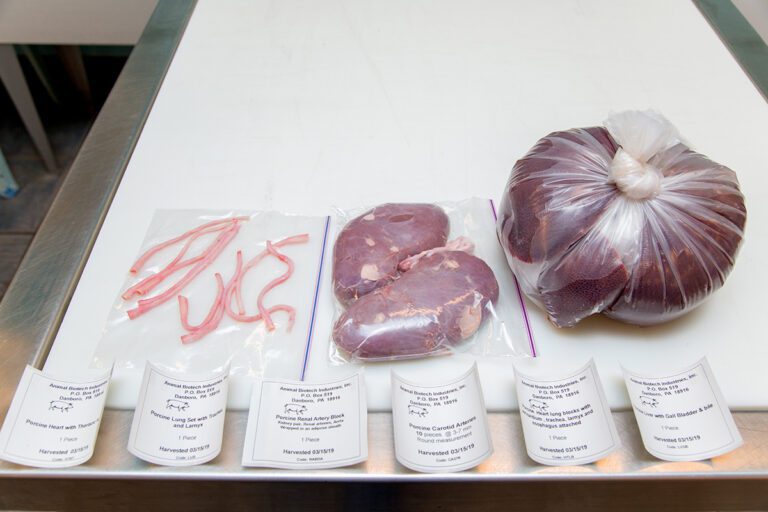
As we discussed last month, ablation is a method used in treating liver tumors. Our previous blog post looked at thermal ablation and porcine liver
Surgeons who perform tendon and ligament replacements are always searching for materials that can mimic the performance and load transmissions of the native material. As

The cells that make up our bodies are surrounded by an extracellular matrix – ECM – which provides support for the cells. When there is
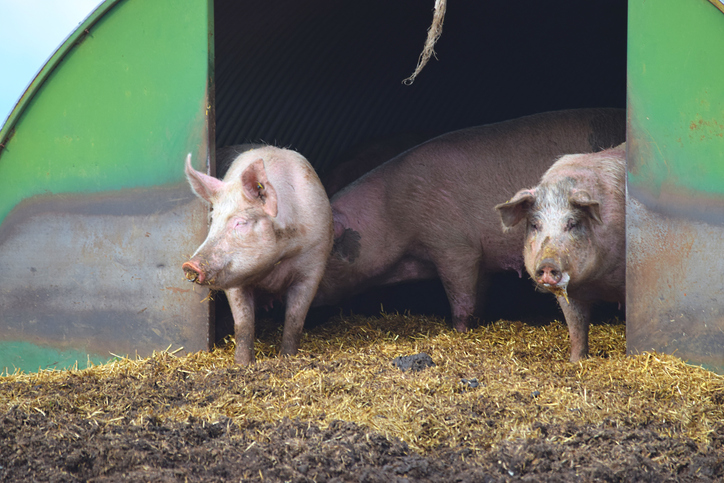
Porcine renal tissue is useful in studying ultrasound elastography, a method of measuring the graft health of a transplanted kidney. A recent study by researchers
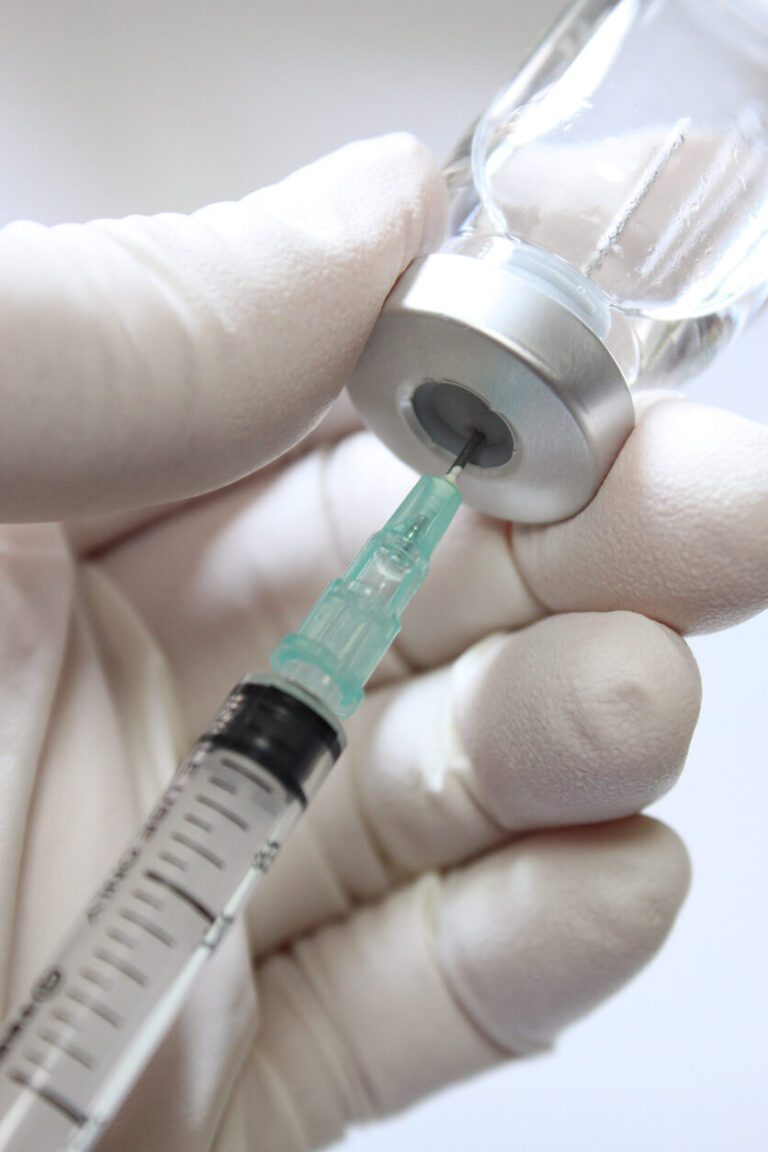
As we’ve pointed out multiple times on this blog, porcine tissue is used in research because of pigs’ biological similarities to humans. That was the case

Despite the constant change in the medical research environment, novel methods often result in revolutionary discoveries. Among these, the upsurge of porcine organs and tissue

It is both interesting and refreshing to look at the field of regenerative medicine from the perspective of biomechanical engineering research, rather than the standard