Limits of AI in Biomedical Research: Why Real Animal Tissue Matters
There are numerous issues with AI in biomedical research, which are perhaps being overlooked in the current ‘gold rush’ environment. Learn more.

There are numerous issues with AI in biomedical research, which are perhaps being overlooked in the current ‘gold rush’ environment. Learn more.

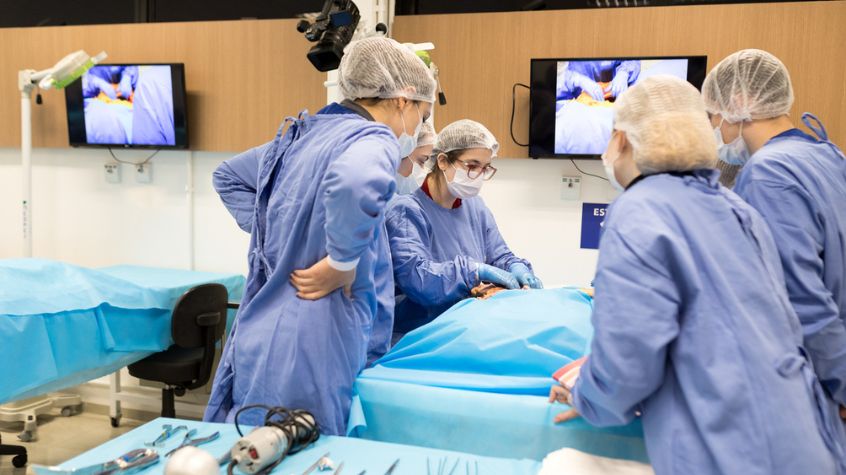
Increasingly, hands-on surgical training facilities have begun using porcine organs and other swine tissue instead of human remains. While this may seem counterintuitive, there are very good reasons for it.

Porcine tissue research continues to expand in numerous directions. One of the most interesting is undoubtedly its potential to improve vascular tissue engineering and regenerative medicine research.

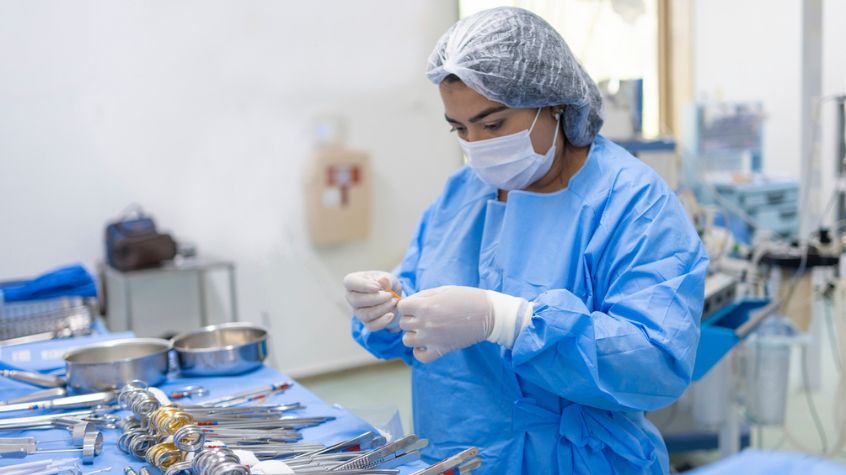
Researchers who work with perfusion models, surgical training, or device testing depend on organs that behave as close to physiologic conditions as possible. Achieving that level of performance begins with one essential step: organ cannulation.

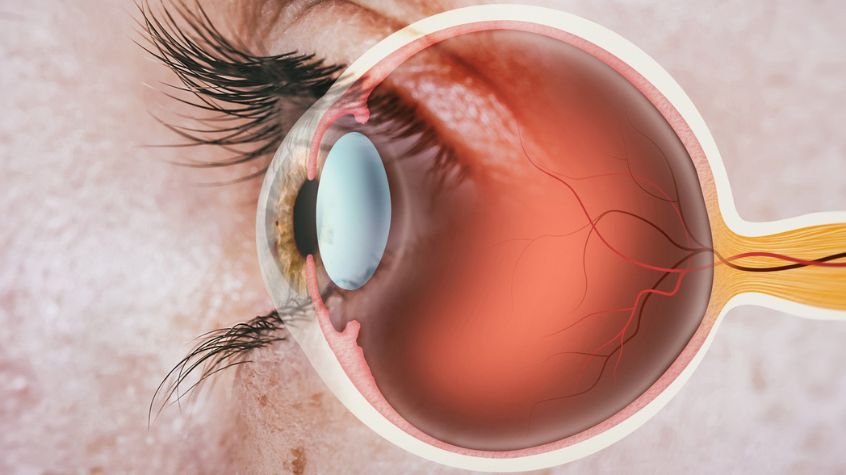
Finding the best alternatives to human tissue has become essential in modern vision science research. As vision impairment continues to rise globally, scientists are searching for reliable, ethical, and scalable ways to study the eye without relying solely on human donor tissue.

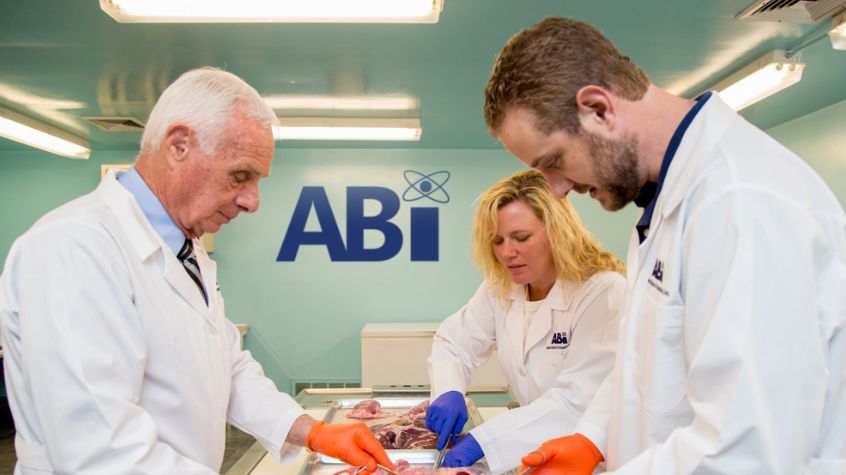
American Biotech Industries is one of America’s leading providers of ethically harvested swine tissue for medical research and education – and we maintain that high standard thanks to our amazing team! The workforce at ABI isn’t here because it’s just a job. They work with us because they understand how much good can be done through animal science operations.

Research labs have an environmental waste problem. While inhabiting buildings with similar footprints to traditional businesses, labs generate far more waste. They use 10x the energy of a traditional office, use 4x as much water, and ultimately generate over five billion pounds of plastic waste each year.

These are exciting times for swine research and its possibilities for translational biomedical research. Every year, major breakthroughs involving pigs are announced, such as a recent “OrganEx” study out of Yale, aimed at improving the long-term viability of donor organs.

At Animal Biotech Industries, we’re always excited to hear about new applications of porcine tissues in human medicine – such as a recent study published in Tissue Engineering and Regenerative Medicine, Decellularization and Characterization of Porcine Pleura as Bioscaffolds in Tissue Engineering.

One of the long-time dreams of medical science is to help people naturally regenerate organs, or even limbs – and thanks to porcine tissues, we may be one small step closer to that goal!

The road toward xenotransplantation, and particularly kidney xenotransplantation, has been rocky, but a new study from Nature Communications shows real promise: consistent transplants of swine kidneys into baboons, with positive long-term survival rates, and using only conventional anti-rejection strategies.

A remarkable experiment published in 2022 described an entirely novel way of curing blindness in people suffering from keratoconus, a condition caused by thinning in the cornea. They did this using nothing but rendered pig’s skin. The results were extremely positive and pointed towards the potential of using swine collagen as an alternative to expensive surgery for corneal implants.