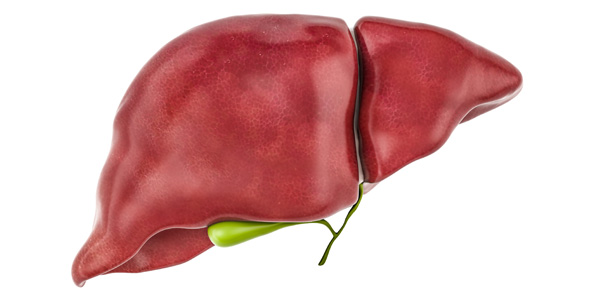
Biliary System Block (BSB): A tissue block comprised of the stomach, omentum, liver, gall bladder, pancreas, duodenum, and 12” of the jejunum with mesentery intact.
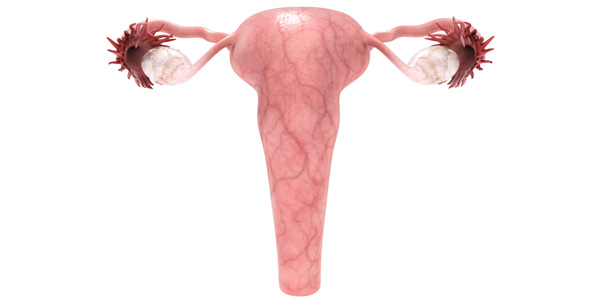
Gyn Block (GYNB): Included in this block is the uterus, ovaries, fallopian tubes, broad ligament, and cervix.
Gyn Block with Urinary system attached (GYNBUSA): Included in this block is the uterus, ovaries, fallopian tubes, broad ligament, cervix, urinary bladder, ureters, and urethra.
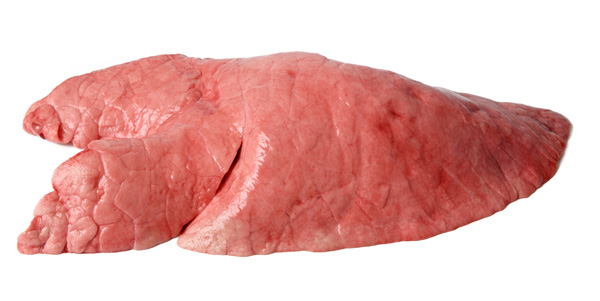
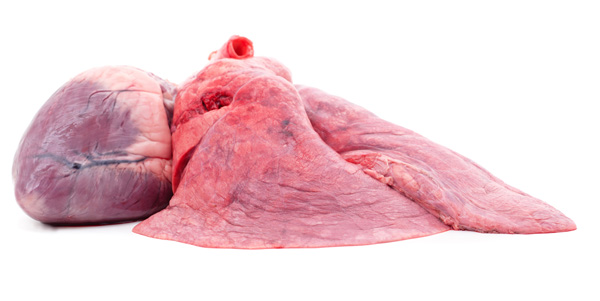
Heart Lung Block (HTLB): Heart with pericardium, lungs, esophagus, trachea, and larynx.
Heart Lung Block with pleural membrane (HTLBPM): Heart with pericardium, lungs with intact pleural membrane (a few nicks may exist in the pleural membrane), esophagus, trachea, and larynx.
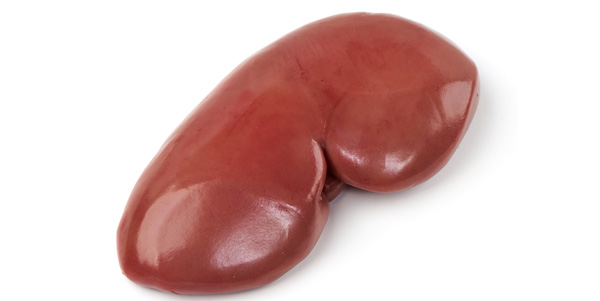
Renal Artery Block – Dissected and packed in adipose (RABDA): Right and left kidneys attached to the abdominal aorta with both renal arteries. This block is dissected/skeletonized and then wrapped in adipose to retain moisture to the tissues.
Renal Urinary Block (RUB): Right and left kidneys, renal arteries, and veins attached to the aorta and vena cava, urethra, urinary bladder and ureters. All tissues are in an intact tissue block.
Renal Urinary Block without the venous system (RUBNV): Right and left kidneys with each renal artery attached to the abdominal aorta, urethra, urinary bladder, and ureters. All tissues are in an intact tissue block.
Spleen, Liver, Gall Bladder, Stomach Block (SPLVGBST): This tissue block is comprised of the spleen, cranial and caudal vascular bundles, liver with gall bladder and bile, and the stomach with omentum. The contents are rinsed out with water through the sphincters, or through an incision on the lesser curvature of the stomach which must be specified when ordered.
Urinary Bladder Block (UBT): This tissue block includes the urinary bladder, both ureters, urethra, and optional prostate. Specify the sex of the animal.
Upper Gastric Block (UGIP): This tissue block is comprised of the stomach (contents rinsed out with water), the liver and gall bladder (with or without bile retained), pancreas, and duodenum with mesentery (12” coiled length).
Porcine tissue blocks are integrated anatomical units that preserve structural relationships between multiple organs, vessels, and supporting tissues. Unlike isolated organs, multi-organ blocks maintain vascular continuity, connective tissue planes, and spatial orientation.
This anatomical integrity makes tissue blocks especially valuable in:
- Preclinical device validation
- Surgical simulation and procedural training
- Dental implant testing and oral surgery practice
- Perfusion-based research models
- Trauma and wound management training
For institutions conducting medical device testing, intact tissue blocks allow researchers to evaluate device placement, mechanical interaction, and performance within realistic anatomical environments. For hospitals and universities, they provide consistent, repeatable surgical models for skill development.
Learn more about how ABI supports these sectors on our Industries We Serve page.
Isolated organs are useful for certain assays. However, many research and training applications require preserved anatomical relationships.
A multi-organ porcine tissue block:
- Maintains natural vascular branching
- Preserves connective and fascial planes
- Supports realistic procedural access
- Reduces variability in surgical simulation
For example, a Heart Lung Block allows cardiothoracic training with intact airway and vascular structures. A Renal Urinary Block maintains arterial and ureteral continuity, supporting catheterization and device placement training.
In pre-clinical research tissue supply, anatomical continuity enhances study reliability. Device interaction within integrated tissue planes often produces different mechanical outcomes compared to isolated organ models.
This is why tissue blocks are a critical component of animal tissue supply for research and surgical education.