
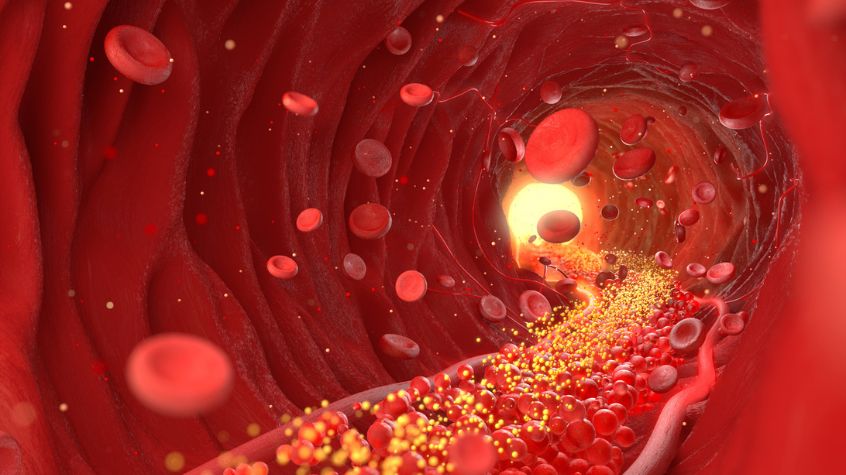
Biomedical research depends on realistic biological materials that closely resemble human anatomy and physiology. While porcine tissue often receives the most attention, porcine blood, porcine body fluids, and other porcine biologicals also play an important role in research, product development, procedural practice, and medical education.
Whether you’re developing a new medical device, validating laboratory procedures, or training healthcare professionals, biological materials can help create realistic learning and testing environments. Working with a trusted porcine tissue supplier gives your organization access to consistent materials that support reliable outcomes across a wide range of biomedical applications.
What Are Porcine Blood and Body Fluids?
Porcine blood and body fluids are biological materials collected from swine for use in research, laboratory testing, medical education, and product evaluation.
These biological materials may include:
- Whole blood
- Plasma
- Serum
- Urine
- Synovial fluid
- Pericardial fluid
- Cerebrospinal fluid
- Other specialized biological samples
Access to high-quality blood and body fluids allows researchers to select biological materials that best match the goals of each project.
Why Are Porcine Biologicals Used in Biomedical Research?
Porcine biologicals provide realistic models that help researchers evaluate products, procedures, and scientific questions under biologically relevant conditions.
Swine share many anatomical and physiological similarities with humans, making porcine materials valuable across numerous areas of applied life science research.
Researchers commonly use porcine blood, porcine body fluids, and porcine tissue for:
- Biomedical research
- Diagnostic assay development
- Medical device evaluation
- Surgical education
- Laboratory method validation
- Pharmaceutical research
- Academic research projects
Using realistic biological materials can improve consistency while helping researchers better understand how products and procedures perform before clinical use.
How Does Porcine Blood Support Medical Device Testing?
Porcine blood allows you to evaluate devices under conditions that more closely resemble real clinical environments.
Many medical devices interact directly with blood during normal use. Evaluating those devices with realistic biological materials can provide valuable information during product development and preclinical testing.
Applications may include:
- Blood handling devices
- Filtration systems
- Cardiovascular technologies
- Hemostasis products
- Laboratory instruments
- Collection systems
When biological performance matters, realistic testing environments can provide meaningful insights that synthetic materials alone may not offer.
Why Are Porcine Body Fluids Valuable for Product Development?
Porcine body fluids help researchers study how products perform when exposed to realistic biological conditions.
Different medical products encounter different biological environments throughout their intended use. Body fluids allow developers to evaluate compatibility, performance, durability, and functionality before moving into later stages of development.
Examples include:
- Diagnostic equipment
- Collection devices
- Surgical products
- Laboratory consumables
- Medical packaging validation
- Research instrumentation
Selecting the appropriate biological material helps improve testing relevance while supporting more reliable product evaluations.
How Is Porcine Blood Used During Medical Training?
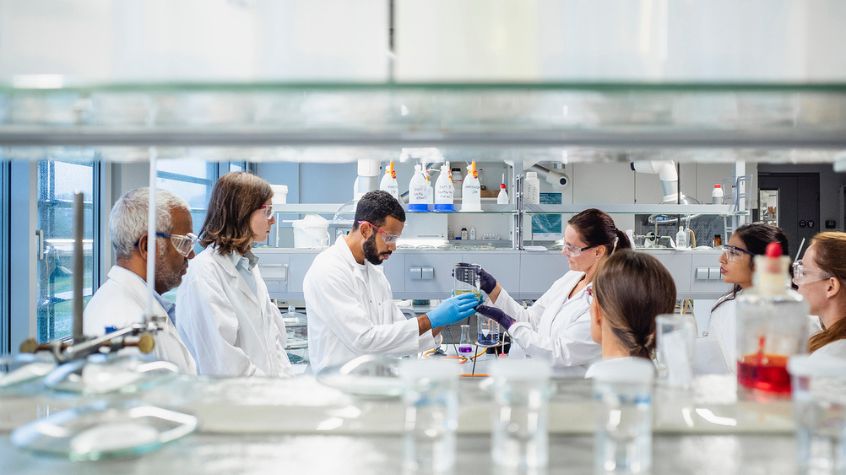
Porcine blood helps create realistic procedural training experiences for healthcare professionals.
Medical education often benefits from hands-on practice that closely resembles real patient care. Biological materials allow instructors to demonstrate procedures while giving students opportunities to practice techniques in controlled environments.
Training applications may include:
- Venipuncture practice
- Laboratory education
- Surgical simulation
- Emergency medicine training
- Trauma response exercises
- Hemostasis training
Research has shown that realistic porcine models can effectively support hemostasis training by allowing participants to practice bleeding control techniques under simulated clinical conditions.
What Is Hemostasis Training and Why Does It Matter?
Hemostasis training teaches healthcare professionals how to control bleeding quickly and effectively.
These skills are important across emergency medicine, trauma care, military medicine, and surgical practice. Realistic biological models help learners develop confidence while practicing techniques that may later be used in high-pressure clinical situations.
Training programs often focus on:
- Bleeding control
- Wound packing
- Vessel management
- Surgical techniques
- Team coordination
- Procedural decision making
Using porcine biological materials helps create realistic educational experiences that prepare participants for real-world clinical environments.
How Are Post Mortem Porcine Tissues Used Alongside Blood and Body Fluids?
Post-mortem porcine tissues provide realistic anatomical structures that complement blood and body fluids during research, testing, and medical education.
Many organizations combine multiple biological materials within the same project to create a more complete training or testing environment. For example, a medical device developer may evaluate how a product interacts with porcine blood while also studying its performance within vascular or organ tissue.
Common combinations include:
- Blood with cardiovascular tissue
- Body fluids with organ systems
- Whole organ tissue blocks for procedural practice
- Tissue and blood for surgical simulation
Access to high-quality post-mortem porcine tissues allows researchers to select biological materials that best fit the goals of each project.
Who Uses Porcine Blood and Other Biological Materials?
Porcine blood and other porcine biologicals support a wide range of organizations involved in research, education, and product development.
These materials are used anywhere realistic biological models can improve learning, testing, or scientific evaluation.
Organizations that commonly use porcine biologicals include:
- Universities
- Teaching hospitals
- Medical schools
- Government laboratories
- Military organizations
- Pharmaceutical companies
- Medical device manufacturers
- Contract research organizations
- Biotechnology companies
Each organization has different objectives, but they all benefit from access to reliable biological materials that support consistent research and training outcomes.
Why Is Choosing the Right Porcine Tissue Supplier Important?
Choosing a reliable porcine tissue supplier helps improve consistency, quality, and project efficiency.
Research programs often depend on biological materials that meet specific collection, handling, and delivery requirements. Working with an experienced supplier helps reduce delays while providing access to the materials your project requires.
When selecting a supplier, consider factors such as:
- Product availability
- Collection capabilities
- Quality standards
- Consistent specimen handling
- Reliable delivery
- Experience supporting research organizations
Access to a comprehensive porcine tissue catalog also makes it easier to identify the biological materials needed for individual studies and training programs.
Why Do Porcine Blood and Body Fluids Continue to Support Biomedical Innovation?
Porcine blood, porcine body fluids, and other porcine biologicals continue to support biomedical research because they provide realistic materials for testing, education, and scientific discovery.
As healthcare technologies continue to advance, researchers and educators need biological models that closely resemble real clinical conditions. From laboratory investigations and product testing to hemostasis training and surgical education, porcine biological materials remain valuable tools across many areas of applied life science.
At Animal Biotech, we help support biomedical research, medical training, product development, and scientific innovation by providing high-quality porcine tissue, blood, body fluids, and other biological materials for organizations across a wide variety of industries.
If you’re looking for a dependable source of porcine biological materials for your next project, contact us to discuss your research needs.