
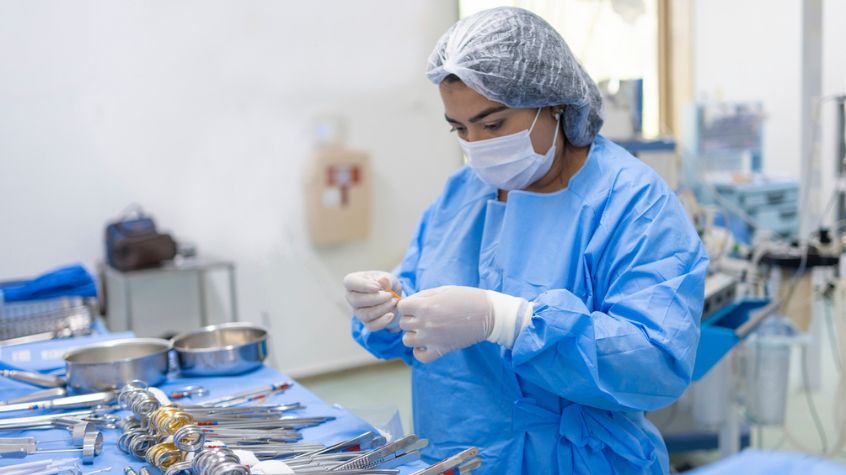
Increasingly, hands-on surgical training facilities have begun using porcine organs and other swine tissue instead of human remains. While this may seem counterintuitive, there are very good reasons for it. Hands-on training is a must for surgical training, but there are numerous challenges in obtaining and utilizing human remains. On the other hand, post-mortem swine tissues are widely seen as the best alternative to training on human remains, and with a number of other benefits as well.
In this article, we’ll be looking at the effectiveness of porcine organs used for surgical training and skills labs, and how they can benefit training operations.
Why Are Porcine Organs Useful for Realistic Surgical Simulation?
Two basic factors are at work here: accuracy and ease of use.
I. Swine tissue is remarkably similar to human tissue
For decades, researchers have noted that porcine bodies, organs, and other tissue closely resemble their human counterparts. Organs like the heart and liver tend to be roughly the same size, with similar structure and composition. Structures such as blood vessels or glands, likewise, are very similar between the two species. Even their genetics are similar.
So, swine have come to be seen as highly important as a human biomedical model. Swine, their organs, and their other tissues are now being used for:
- Medical procedure research
- Medical device testing
- Pharmaceutical testing
- Xenotransplantation
- Training and skills development
In short, swine have been widely accepted as a model for human testing and experimentation.
This is also because:
II. Swine and swine tissue are easy to procure.
Human bodies and other remains are rare and valuable. They can be difficult to procure, with numerous hurdles – especially if procuring sufficient remains for classroom settings. In addition, classrooms may be competing for organs which could otherwise be used for transplants, creating more ethical dilemmas.
Meanwhile, swine are among the most commonly used biomedical models for research and training. When sourced through a qualified medical-grade provider, porcine tissue can be used for training and research with fewer regulatory and logistical constraints than human remains. This controlled procurement process allows organizations to obtain high-quality tissue in a cost-effective and ethically responsible manner, without compromising professional or compliance standards.
When obtained from a reputable medical-grade supplier like ABI, porcine organs are far easier and less expensive to utilize.
Combined, these two factors have caused porcine tissue simulations of human procedures to grow in popularity within surgical training centers. When procured and handled properly, swine organs can truly be the next best thing to human remains.
What Fields Are Benefiting from Porcine Tissue Simulations?
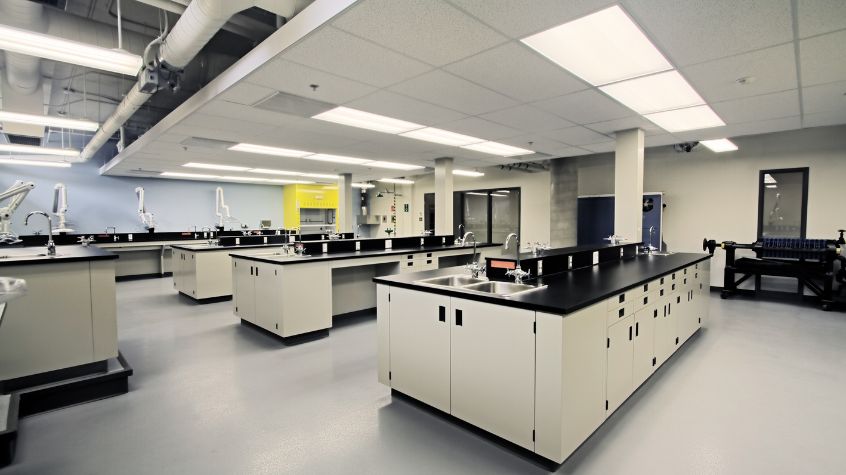
Situations where swine can be used in place of human tissue are many, with relatively few exceptions.
Some notable areas that benefit from swine simulations include:
- EMS and Paramedic training: Swine are excellent substitutes for humans in resuscitation training, such as in this study on training air ambulance crews. Students reported significant skill gains with only a one-day course.
- Dental training: Swine jaws and teeth also closely mirror those of humans, making them effective for dental training. One recent experiment even simulated blood flow in post-mortem pigs’ heads for greater realism.
- Laparoscopic training: Swine bodies and organs are extensively used as laparoscopic training models, including gastrointestinal work, liver surgery, gall bladder removal, video laparoscopy procedures, and more.
- Airway management training: Swine can be effectively used as models for intubation, as well as procedures such as tracheotomies. In addition, porcine lung sets or heart/lung blocks are effective for training chest tube insertion.
- Spinal surgery training: Minimally invasive surgery training for spinal work previously lacked good alternatives to human cadavers, but recent studies have shown positive results from swine-based training as well.
Regardless of the field, working with swine tissues and cadavers provides solid hands-on training with a feel that is very similar to that of working with humans. Novel procedures such as utilizing cannulation to simulate blood flow can further increase realism for the trainees.
Overall, this makes post-mortem animal tissue an excellent option for training.
Are Porcine Organs the Best Option for Surgical Training?
In most cases, yes.
Occasionally, situations will arise where nothing can compare to actual human remains. However, for training purposes, porcine materials typically provide an excellent substitute.
In addition, swine materials are superior to synthetic models as well. Simulacra such as 3D printed model organs or silicone pads lack the proper feel of authentic organs, reducing the accuracy of the surgical experience. Swine allow for more-accurate surgical simulations for universities and hospitals, which is critical in boosting the skills of surgeons and other healthcare workers.
While some may argue that synthetic alternatives are more ethical, proper anatomy-based surgical training can’t rely on 3D printed facsimiles for the best training. Furthermore, when an animal is humanely raised and ethically euthanized, the use of animal remains is no more unethical than any other animal-based product.
The more realistic the training is, the better the resulting surgeon, which is why post-mortem porcine tissue simulations stand out as the best compromise between cost, ethics, and efficiency.
ABI Is Your Trusted Source for Medical Training Tissues
Animal Biotech Industries is widely recognized as one of America’s leaders in providing medical-grade post-mortem swine tissue for research and training. Since 1990, we’ve been pioneering better ways to harvest, package, and ship porcine materials, which you can rely on.
We’re passionate about ethics at ABI. We only purchase our swine from humane facilities, and hold our suppliers to the highest ethical standards. We guarantee that every post-mortem swine you work with was handled in strictly humane ways. In addition, all our packaging is either biodegradable or reusable to minimize our environmental impact.
We harvest the swine tissue to order, to your specifications. Alongside our catalog of standard materials, we can assist with any custom order you may need. Organs can also be pre-cannulated, if desired. We ship next-day whenever necessary, and same-day shipments can often be arranged.
For reliable, ethically harvested swine tissue, ABI can be your trusted provider. To learn more or consult our experts on research and training issues, just contact us.